
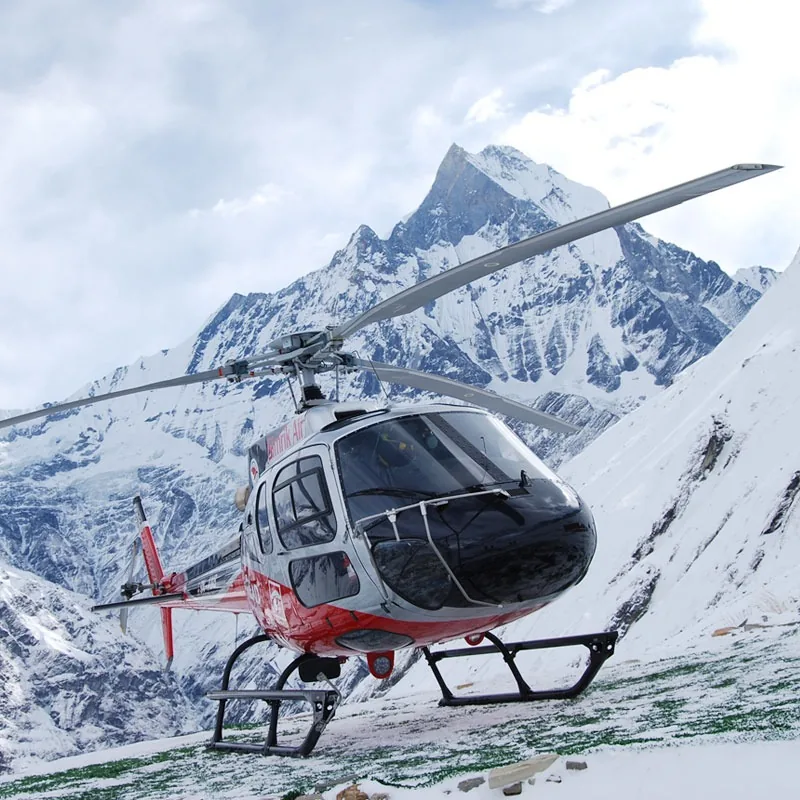
Alpine Rescue — 24 hours, every day
Emergency
& Rescue
If you or anyone in your group is in danger, call +977-9801068400 now. The line is answered around the clock — help is never delayed by paperwork.
What to Do in an Emergency
Reach the 24/7 hotline first. If the call will not connect, message the same number on WhatsApp.
Clearly describe where you are and what the problem is — altitude, injury, or illness.
Name, insurance details, and who is with you, so the team can verify cover while responding.
The operator guides you through next steps while coordinating the rescue in parallel.




Have This Ready Before You Call
Having these ready lets the team verify cover and dispatch faster. Gather what you can — but never delay the call to collect them.
Checklist
0 of 6 ready
- Altitude sickness: Capture the entire testing process and clearly show blood oxygen and heartbeat level readings.
- Accident: Clearly show the overall physical condition and any injury.
- Note: If the insured is able, they should briefly explain their condition. If not, a guide or companion may assist.
When to Call
Call immediately if
You or anyone in your group experiences moderate or severe acute mountain sickness — persistent headache, vomiting, confusion, loss of coordination, or shortness of breath at rest — suspected high-altitude pulmonary or cerebral edema, a serious injury or fall, hypothermia, frostbite, or any condition that prevents a safe descent on foot.
For less urgent issues
A sprain, mild altitude symptoms that improve with descent, or general medical advice — reach us by WhatsApp or email. Our team will triage your situation and recommend the right next step, whether that is rest at your current elevation, descent to a lower village, or a coordinated evacuation.

While You Wait for Rescue
Stay calm and stay together. Keep the injured or ill person warm, hydrated, and in a stable position. Mark your location clearly — a brightly coloured tarp, jacket, or tent fly on open ground helps pilots spot you from the air. If conditions allow, descending on foot toward a safer elevation is usually the fastest path to recovery; our team will tell you whether to wait or move.
Keep your phone on and conserve battery between updates. Helicopter response times in Nepal depend on weather, daylight, and visibility at altitude: in good conditions a rescue can reach Everest Base Camp within 90 minutes of dispatch, but storms or low cloud may delay flights until a safe window opens. We will keep you informed throughout.
About Alpine Rescue
Alpine Rescue Service is Himalayan Guardian Nepal's 24/7 emergency response partner. Every CTG (Comprehensive Tourism Guard) policyholder is covered for medical evacuation, helicopter rescue coordination, and on-mountain medical triage anywhere in Nepal's trekking regions — from low-altitude trails to the Everest, Annapurna, and Manaslu high passes.
Our call center operators speak English, Nepali, and basic Hindi. If you are unable to speak, a trekking guide, porter, or another team member may call on your behalf. We do not require pre-payment to dispatch a rescue: insurance verification happens in parallel with the response, so help is never delayed by paperwork.
Beyond the hotline, you can reach the team on the backup line +977-9851232668, on WhatsApp at the same number, or by email at operation@alpine-rescue.com.

Carry the Card.
Even Off the Grid.
A one-page PDF with the hotline and rescue steps — save it to your phone for where signal is limited or absent.